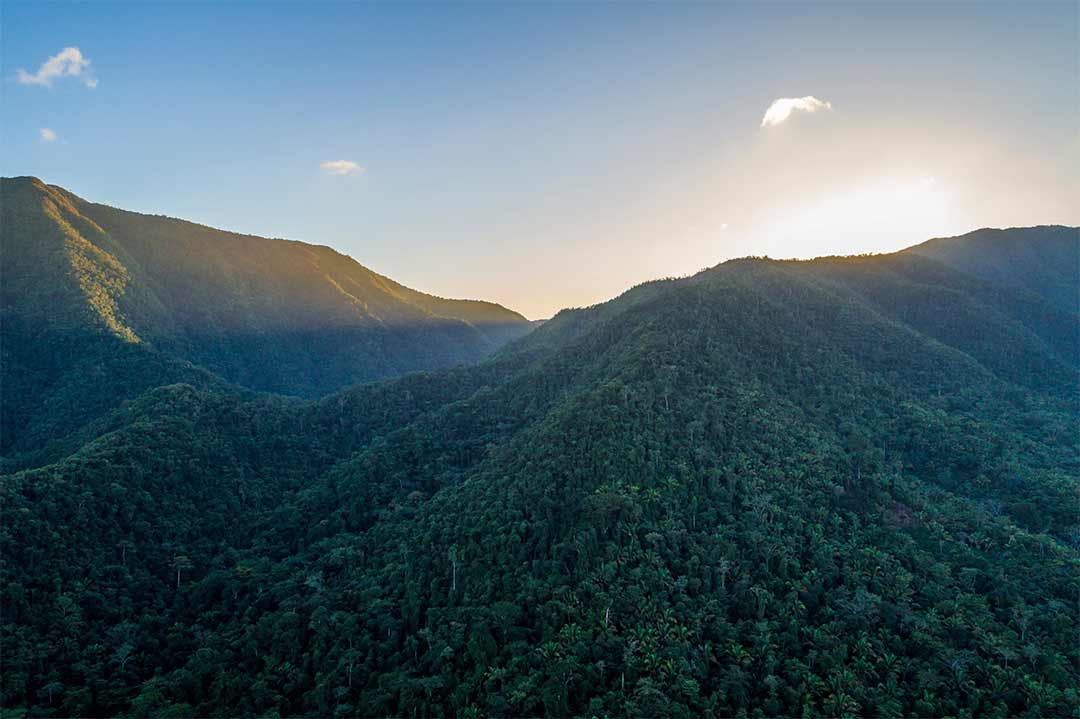
Maya Mountain Belize: Why Cacao Origin Determines Everything
Mandala sources all its cacao from one place: the Maya Mountain region of Belize. Here's why that decision matters for flavor, ecology, and the farmers who grow it.
Quick answer: Every bar of Mandala chocolate begins with cacao from one place: the Maya Mountain region of Belize, sourced through Uncommon Cacao's fully transparent supply chain. Not Ecuador. Not Peru. Not "Central and South America." One region, every batch, since 2008. This post explains why that decision matters for flavor, sourcing integrity, and the product we can honestly make.
What Single Origin Means and Why It's Rare
In the cacao industry, single-origin sourcing means all the cacao in a product comes from one specific geographic origin, ideally one country and growing region. This contrasts with blended commodity cacao, which pools beans from multiple countries and processing facilities into a product designed for consistency rather than character.
Most chocolate, including most premium chocolate, is not single-origin. The economics work against it. Commodity cacao blending lets producers manage flavor profiles and supply chains more easily, keep costs predictable, and maintain consistent year-to-year flavor regardless of what any particular harvest produced. These are real operational advantages.
What you give up is the thing that makes cacao interesting: origin character.
Cacao's flavor is shaped by its terroir as much as wine grapes or coffee are. The variety, the altitude, the soil, the rainfall pattern, the fermentation protocol, the drying method: all of these leave fingerprints in the finished bean. Blend those beans together and the fingerprints average out. You get cacao that tastes generically of chocolate rather than cacao that tastes like a specific place.
Maya Mountain Belize cacao does not taste generically of chocolate. It tastes like itself.
The Maya Mountain Region
The Maya Mountain range runs through western Belize, with peaks above 3,000 feet, creating a highland forest environment distinct from the lowland coastal zones where commodity cacao is typically grown at scale. The cacao grown in this region is primarily Trinitario, a natural hybrid between the ancient Criollo variety and the more disease-resistant Forastero. The flavor profile of well-fermented Maya Mountain Belize cacao is distinctive: bright, fruit-forward, with red fruit top notes that lift the earthy base.
The altitude, the cloud forest moisture pattern, and the biodiversity of the surrounding ecosystem all contribute to what the cacao produces in fermentation and drying. The specific genetics of the Maya Mountain Trinitario population reflect centuries of selection by the farmers who grow it.
Commodity West African cacao, which comprises the majority of the world's supply, tastes different. More intensely earthy, less nuanced, designed for throughput and yield rather than flavor complexity. Some South American origins are excellent but carry different profiles. The brightness of Maya Mountain Belize, the way the fruit notes lift what would otherwise be heavy earthiness, is specific to this place.
Uncommon Cacao: Why the Sourcing Partner Matters
Mandala sources through Uncommon Cacao (uncommoncacao.com), a certified B Corp cacao trader that publishes full transparency reports on every origin: price paid per pound, fermentation documentation, drying method, and cooperative information. This level of sourcing transparency is not standard in the cacao industry. Our cacao is Fair Trade certified, and Uncommon Cacao's data shows the actual price paid rather than just confirming that the certification floor was met.
We named Uncommon Cacao publicly because their transparency work is part of our sourcing story, and because you can verify it independently. You do not have to take our word for it.
What the transparency reports cover:
Farm-level economics: the price paid per pound to farmers, how this compares to commodity market rates, and the Fair Trade premium structure.
Processing documentation: fermentation protocol (length, vessel type, turning schedule), drying method, quality assessment metrics for each lot. Fermentation is where most of the flavor development happens. The quality of the fermentation is the largest single determinant of whether good cacao genetics become good chocolate.
Farmer community information: who grows the cacao, the size of the cooperative, the ecological and social context of the growing community.
Why We Don't Source From Multiple Origins
This question comes up. Why limit to one origin when diversity of sourcing could produce wider flavor range and reduce supply risk?
The answer is both practical and philosophical.
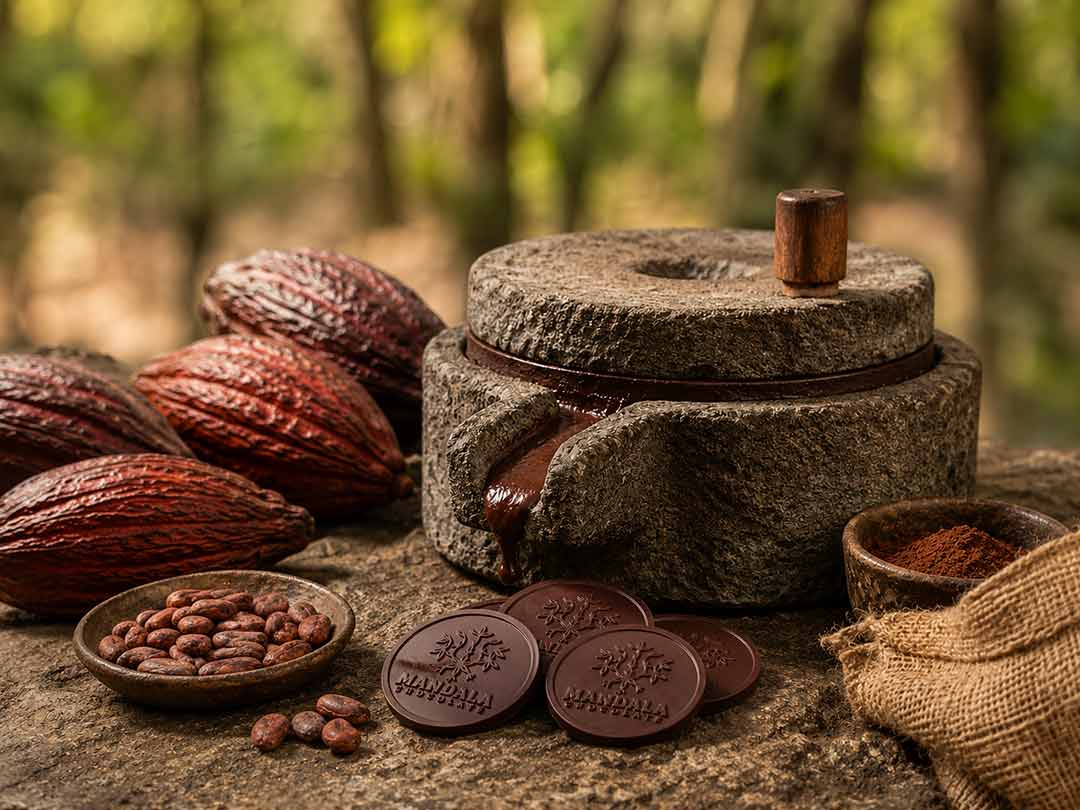
Practically: building real knowledge about a cacao requires consistency. Maya Mountain cacao is not interchangeable with other origins, even excellent ones. Each origin requires understanding of what the fermentation produces, how the specific bean responds to stone grinding, what flavor notes emerge after 6 days in the mill and how those notes interact with our botanical ingredients. Change the origin and you start that process over.
Philosophically: blending origins, even excellent ones, is an averaging process. You gain flexibility and lose specificity. We would rather know this particular cacao deeply and express what it is with precision than offer something that is technically impressive but characterless.
The supply risk is real. A single origin means a bad harvest in the Maya Mountain region affects us directly. We manage this through the Uncommon Cacao sourcing relationship, forward inventory from good harvests, and the decision to accept that our product is tied to a specific place. Disconnecting a product from its origin to achieve supply security is one of the ways the food industry has trained people to accept food without provenance. We are not interested in that trade.
Fair Trade and What It Actually Means at Origin
Fair Trade certification guarantees a minimum floor price above commodity market rates, paid directly to certified producer cooperatives rather than through intermediaries. It also includes community development premiums: a portion of the purchase price goes into a fund controlled by the cooperative for infrastructure, education, or other community needs.
What it does not guarantee: exceptional fermentation quality, specific ecological practices, or a farmer income that is comfortable rather than merely above the commodity floor. Fair Trade is a floor, not a ceiling.
This is why Uncommon Cacao's transparency data matters alongside the certification. Certification confirms the floor was met. The transparency report shows what actually happened.
Our cacao is Fair Trade certified. It is also sourced through a partner who publishes the actual numbers. Both matter. The certification tells you the minimum was honored. The data tells you what we actually paid.
The Eagle and the Condor: Where This Cacao Goes
There is a framework in indigenous tradition, present in multiple Andean and Mesoamerican cosmologies, that speaks of the Eagle and the Condor: the Eagle as the spirit of the North, associated with mind, technology, and the material world; the Condor as the spirit of the South, associated with heart, ecology, and the living world. The prophecy describes a time when both fly together.
Mandala chocolate is an expression of that bridge. The cacao comes from the land of the Condor: the Maya Mountain region of Belize, deep in the ecological complexity of Central America's highland forest. The wild herbs and mushrooms we stone-grind with that cacao come from the land of the Eagle: Mandala Springs, our 67-acre certified organic forest farm in the Southern Appalachian mountains of North Carolina, where wood betony, spiceberries, chaga, and reishi grow wild.
These two territories meet in the stone mill. The result carries both places: the specific flavor of Maya Mountain Belize cacao and the specific botanical signature of Appalachian wild herbs, in a single, integrated material.
This is not metaphor. It is the actual geography of what we make.
What Origin Means for You
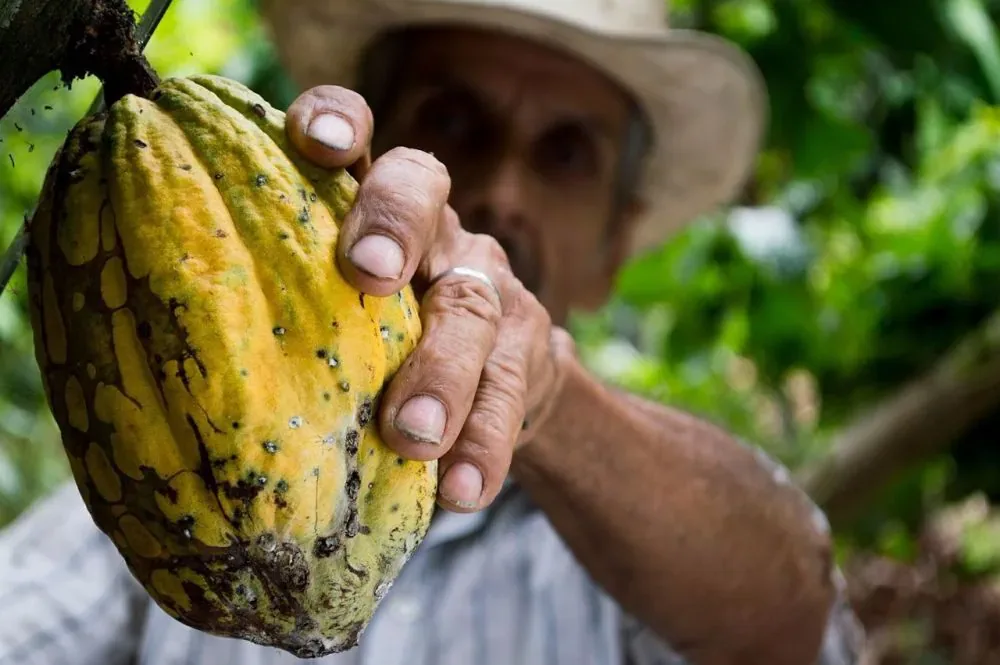
When you eat a Mandala bar, the first thing that is true about it is that the cacao came from one place. You can know that place. You can read Uncommon Cacao's transparency report and find the cooperative, the fermentation data, the price paid. You can taste the fruit notes and know they reflect the genetics of Maya Mountain Trinitario beans, fermented by farmers who have grown this cacao for generations.
That traceability is not a bonus feature. It is the baseline for what we think chocolate should be.
Most chocolate sold with beautiful branding cannot tell you what we just told you. That gap is not a small thing.
Ceremonial Cacao, where the origin speaks loudest | Cacao Alchemy | Appalachian Wild Chai
Rob Lenfestey is the founder of Mandala Naturals, LLC. He has been sourcing exclusively from the Maya Mountain region of Belize through Uncommon Cacao since 2008, and oversees all formulation at Mandala Springs, a 67-acre certified organic forest farm in Barnardsville, NC. Mandala Naturals: USDA Organic (CCOF), Fair Trade certified, B Corp certified, Non-GMO Project Verified.
More from the Blog
Continue exploring cacao wellness