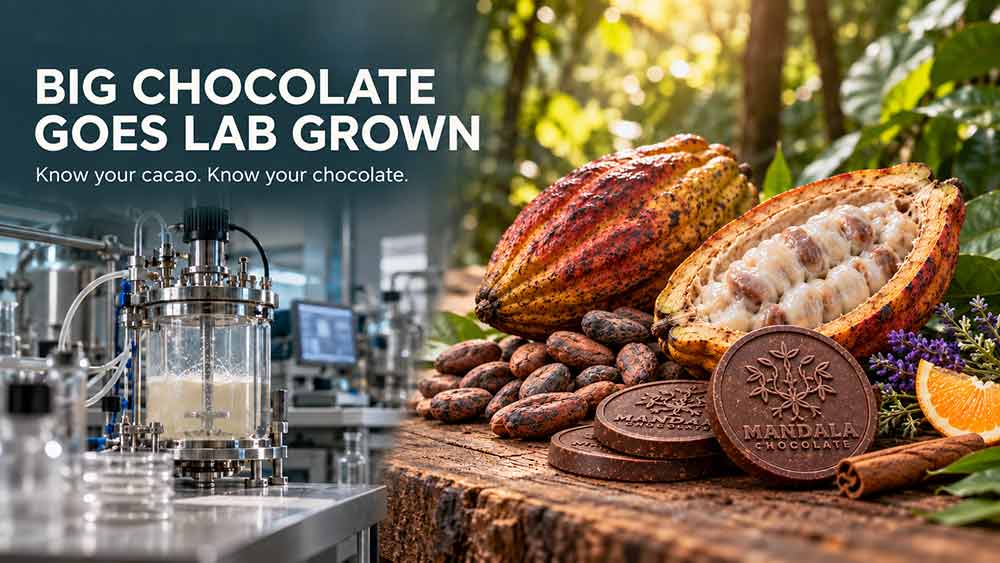
Big Chocolate Goes Lab Grown
Big chocolate is exploring lab-grown cocoa. Discover what is changing and how Mandala Naturals crafts cacao with a named origin and six days of stone grinding.
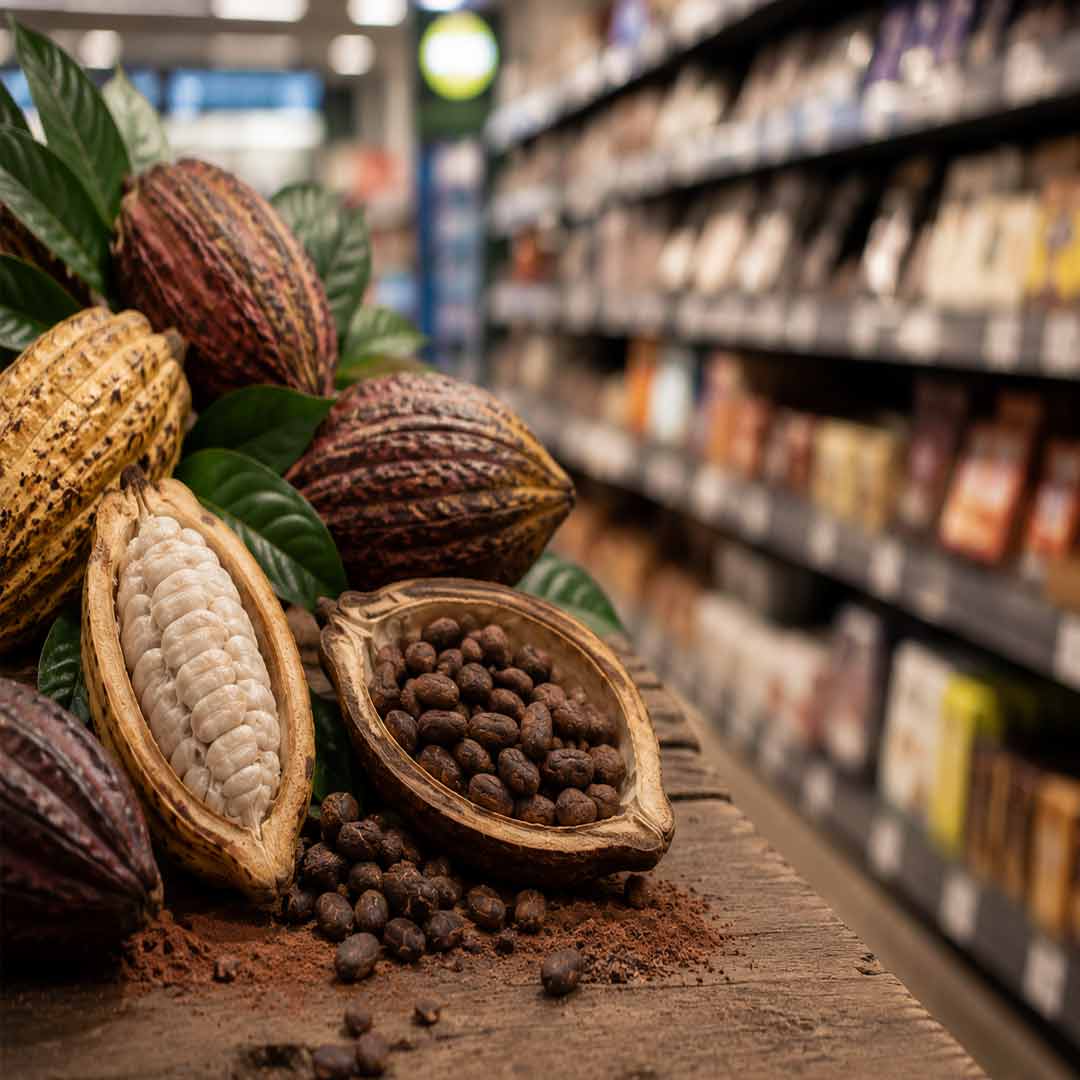
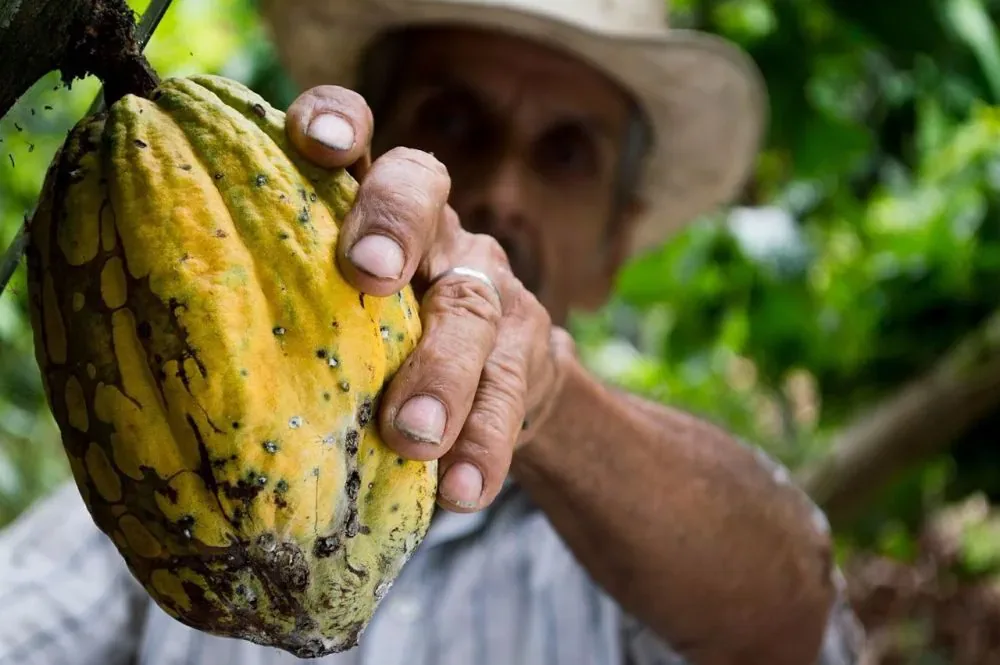
Chocolate has a familiar beginning: a cacao tree, a harvested pod and beans transformed through fermentation, drying and craft.
Now some of the biggest names in the industry are exploring a different starting point. Mondelēz has worked on chocolate made with cell-cultured cocoa butter, while Nestlé has introduced specific products using a cocoa-free alternative. [1] [2]
That makes “What’s in my chocolate?” a question worth asking.
At Mandala Naturals, our answer begins with cacao from Maya Mountain, Belize, crafted in North Carolina through a six-day stone-grinding process. Knowing where an ingredient comes from and how it becomes chocolate is part of the experience we want to share. [7] [8]
What does “lab grown” mean for chocolate?
Cell-cultured cocoa starts with cacao cells cultivated in a controlled environment. The resulting material can be used to produce cocoa ingredients. Galy, for example, describes growing cocoa in brewery-style tanks before fermenting, roasting and grinding the harvested material. [3]
Cocoa-free alternatives use a different ingredient base. ChoViva, the alternative used in Nestlé’s Choco Crossies Snack Vibes, is made from sunflower seeds rather than cocoa beans. [2]
Compound coatings are another category: they can contain cocoa solids while using other vegetable fats in place of cocoa butter. A compound coating or “chocolate-flavored” description does not, by itself, indicate lab-grown cocoa. [5]
What are the big chocolate companies actually doing?
The announcements show different stages of development, from experimental bars to products reaching customers:
-
Mondelēz and Celleste Bio: In April 2026, Celleste reported that Mondelēz used its cultured cocoa butter to make nearly a dozen experimental chocolate bars. These were prototypes, a step toward commercial production. [1]
-
Nestlé: Its German launch of Choco Crossies Snack Vibes introduced three varieties in April 2026, all coated with cocoa-free ChoViva. This is a specific product line using a sunflower-seed alternative. [2]
-
Puratos: The ingredient supplier announced a professional chocolate product containing cultured cocoa, developed with California Cultured, with US availability targeted for late 2026. [4]
-
Galy / WunderHaus: In October 2026, Galy announced US commercial cocoa operations and early orders from professional kitchens. Its chocolate combines cultured cocoa with conventional ingredients. [3]
The companies point to supply challenges, crop disease and climate pressures as reasons to develop additional sources of cocoa. Their goal is a more predictable supply. The announcements also show why a prototype, an investment and a product launch should be understood separately. [1] [3]
Why shoppers are paying closer attention
Alongside these new technologies, familiar brands face questions about their recipes. Hershey says a small portion of its seasonal and other offerings will move to classic recipes beginning in 2027. It also says its core, year-round Hershey’s bars and Reese’s cups already use those recipes. [6]
For shoppers, the useful next step is to look at the exact product: its ingredients, its cacao source and what the maker says about its process. A familiar wrapper can only tell you so much. The details deserve a look, too.
At Mandala, we start with a named cacao origin
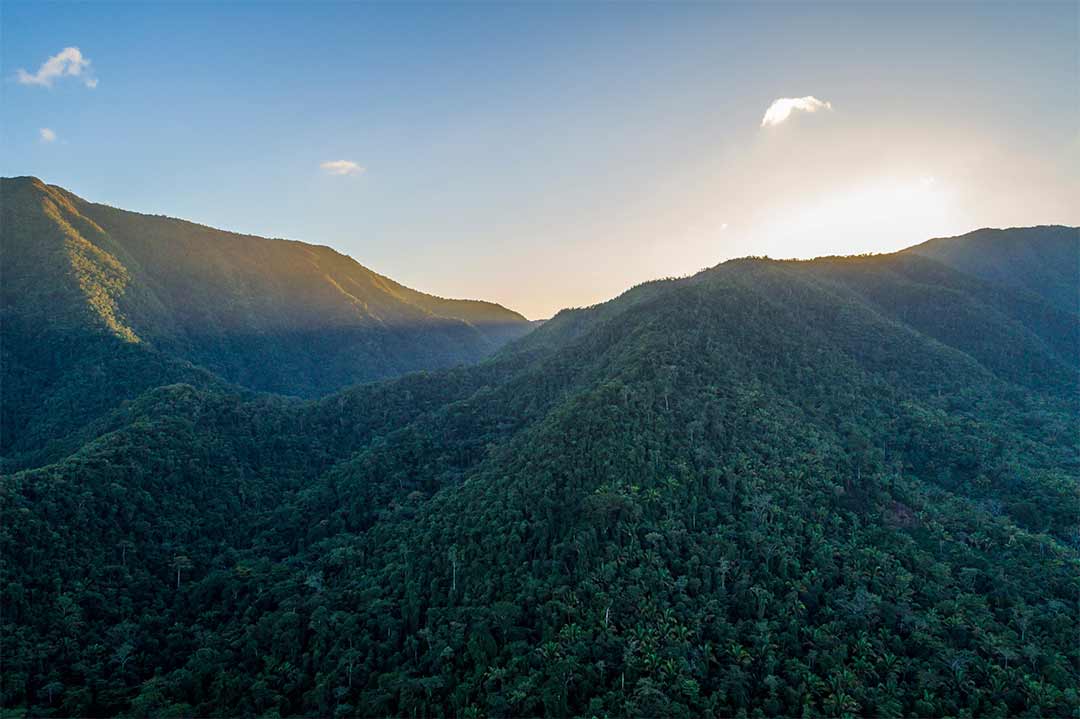
Our cacao comes from Maya Mountain, Belize, through Uncommon Cacao. It is a connection to a particular place and the people who grow there. Maya Mountain works with smallholder farming families in southern Belize, many of them Q’eqchi’ and Mopan Maya. [7] [12]
Uncommon Cacao makes that story available to explore. Its Maya Mountain origin page and Transparent Trade reports share information about producers, cacao and prices along the supply chain. A named origin becomes more meaningful when you can follow the details. [13]
From Belizean cacao to an Appalachian forest farm
That cacao travels to Mandala Springs, our certified organic forest farm in the Southern Appalachians, where we produce our chocolate. The wild herbs and mushrooms we use are tended by hand and harvested by hand on that same farm.
Our botanical ingredients connect the chocolate to the place where we make it. A recipe can bring together cacao grown in Belize with the herbs, mushrooms and hands-on care of our Appalachian home.
Six days of stone grinding—144 hours in total
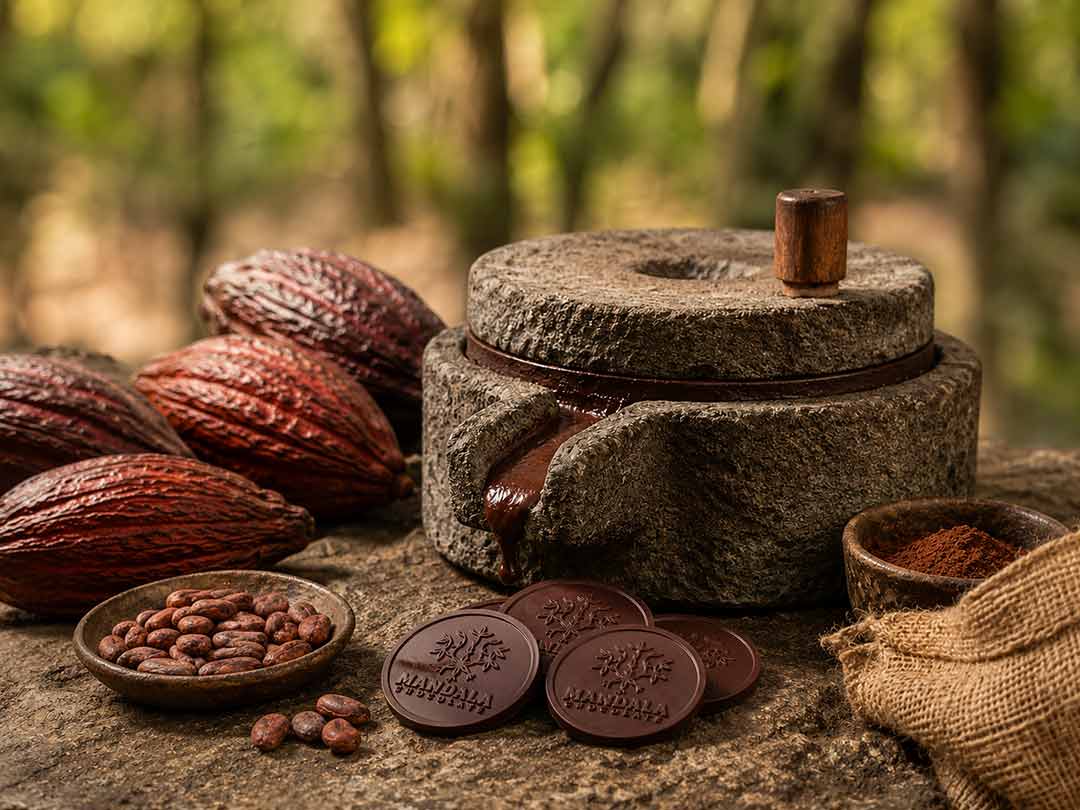
We give our chocolate six full days on stone, in two distinct stages:
-
The first 72 hours: we grind the cacao on its own.
-
The next 72 hours: we add all the recipe’s remaining ingredients and continue grinding them together.
That is 72 hours plus another 72 hours: six days total, using granite wheels on a granite base. This time is part of how we develop the flavor and texture of each recipe. [8]
Our ceremonial cacao also receives six days of stone grinding. With nothing added, the entire process stays focused on the cacao itself. [11]
Yacon deserves a place in the ingredient story
In our sugar-free bars, yacon is a celebrated co-ingredient. This naturally sweet root contains prebiotic fibers from the inulin family, including fructooligosaccharides, or FOS. These fibers provide food for beneficial gut bacteria. [14] [15]
Yacon brings a gentle sweetness to recipes built around cacao, herbs, mushrooms and spices. That restrained sweetness leaves room for the other ingredients to come forward, rewarding a slower, more attentive taste.
Find the flavor that meets your palate
There is more than one way into Mandala. Start with flavors you already enjoy, then follow your curiosity.
A welcoming first taste: Lavender Citrus and Vanilla Orchid
Lavender Citrus and Vanilla Orchid are our most approachable bars. Lavender Citrus brings together organic cacao, cacao butter, coconut sugar, Tahitian vanilla, lavender and orange essential oils, and Celtic sea salt. Vanilla Orchid offers a familiar vanilla-led starting point. [9] [16]
For the adventurous, sophisticated palate: Cacao Alchemy and Appalachian Wild Chai
Our sugar-free Cacao Alchemy and Appalachian Wild Chai invite deeper exploration. They are especially suited to a sophisticated palate that has grown accustomed to less sweetness than much of modern food culture offers.
Cacao Alchemy pairs cacao and yacon with ingredients including lucuma, mesquite, herbs and mushrooms. Appalachian Wild Chai brings together warming ginger, cinnamon and cardamom with reishi, chaga and wild spiceberries. These are layered, adventurous recipes to savor slowly. [17] [10]
If very sweet chocolate is your usual choice, Lavender Citrus or Vanilla Orchid is a welcoming place to begin. Explore the sugar-free bars as your taste for cacao and botanicals grows.
Make it a ritual: Ceremonial Cacao and Cacao Tea
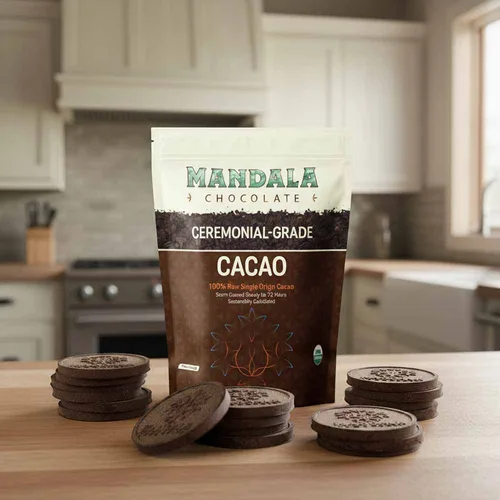
For a warm cup, our Ceremonial Cacao contains nothing added and comes in sixteen one-ounce discs. It offers a direct way to explore the cacao’s flavor. [11]
Cacao Tea offers another preparation: 100% organic fermented cacao husks from Maya Mountain, Belize, steeped into an aromatic infusion. Both make space for a daily cacao ritual. [18]
Stewardship, from the forest to the wrapper
Our regenerative approach takes shape in everyday choices: sourcing cacao with a transparent origin, tending the forest where our wild ingredients grow, and crafting chocolate on that same certified organic farm. Our packaging is plastic-free and made with plant cellulose.
Our B Corp approach follows a triple bottom line: people, environment and profit. That means considering the people who grow, gather, make and enjoy our products; the environments our ingredients come from; and the financial health that allows the work to continue.
Choose your chocolate with curiosity
As chocolate evolves, three questions can help you shop with confidence:
-
What are the ingredients? Read the complete list for the specific product.
-
Where does the cacao come from? Look for a named origin and a clear sourcing story.
-
How is it made? Seek details about the maker’s process.
At Mandala Naturals, those answers lead from Belizean cacao to Appalachian botanicals, through six days of stone grinding, and into a bar or cup you can make your own.
Find your favorite, then make it a regular part of your day. A Mandala subscription keeps the chocolate or cacao you love coming, so your next quiet cup or slowly savored bite is already on its way.
Know your cacao. Know your chocolate.
Find your favorite & subscribe Discover ceremonial cacao →
Sources
- Celleste Bio: cultured cocoa butter prototypes. Company release · April 15, 2026
- Nestlé Germany: Choco Crossies Snack Vibes. Company announcement · March 2, 2026
- Galy: US commercial cocoa operations. Company release · October 21, 2026
- Puratos: professional chocolate with cultured cocoa. Company announcement · February 24, 2026
- Black Dot Research: fact-check on chocolate brands and lab-grown cocoa. Fact-check · October 15, 2026
- Hershey: ingredients and recipe FAQ. Company page · reviewed September 29, 2026
- Mandala: Maya Mountain cacao origin. Brand sourcing information
- Mandala: six-day stone-grinding process. Brand process information
- Mandala: Lavender Citrus Cacao. Product ingredients
- Mandala: Wild Chai Cacao. Product ingredients
- Mandala: Ceremonial Cacao. Product ingredients and format
- Uncommon Cacao: Maya Mountain Cacao. Origin, producers and sourcing information
- Uncommon Cacao: Transparent Trade. Annual cacao supply-chain transparency reports
- Adriano et al.: yacon syrup and its prebiotic fructooligosaccharides. Food Research International · 2019 · DOI: 10.1016/j.foodres.2019.108682
- Lightowler et al.: inulin-type fructans as prebiotic dietary fibers. European Journal of Nutrition · 2018 · DOI: 10.1007/s00394-017-1409-z
- Mandala: Vanilla Orchid Cacao. Product ingredients and flavor
- Mandala: Cacao Alchemy. Product ingredients
- Mandala: Organic Cacao Tea—Fermented. Product ingredients, origin and preparation
Frequently Asked Questions
❓ What does “lab grown” mean for chocolate?+
Cell-cultured cocoa starts with cacao cells cultivated in a controlled environment, then fermented, roasted and ground into cocoa ingredients. Cocoa-free alternatives use a different base entirely — for example ChoViva, made from sunflower seeds. Compound coatings are a separate category and do not, by themselves, indicate lab-grown cocoa.
❓ Which big chocolate companies are using cultured or cocoa-free cocoa?+
Reported moves include Mondelēz making experimental bars with Celleste Bio's cultured cocoa butter, Nestlé's Choco Crossies Snack Vibes in Germany coated with cocoa-free ChoViva, Puratos's professional chocolate with cultured cocoa developed with California Cultured, and Galy's US commercial cocoa operations. These range from prototypes to launched products and should be understood as separate stages.
❓ Where does Mandala Naturals' cacao come from?+
Mandala's cacao comes from Maya Mountain, Belize, through Uncommon Cacao, which works with smallholder Q'eqchi' and Mopan Maya farming families in southern Belize. The chocolate is then produced at Mandala Springs, a certified organic forest farm in the Southern Appalachians.
❓ How long is Mandala's cacao stone-ground?+
Six full days — 144 hours — on granite: the first 72 hours grinding the cacao alone, the next 72 hours grinding it together with the recipe's remaining ingredients. Ceremonial cacao receives the same six days with nothing added.
More from the Blog
Continue exploring cacao wellness